Why Playa Vista Feels Like a Neighborhood Not Just a Development
March 24, 2026
March 24, 2026
Why Playa Vista Feels Like a Neighborhood Not Just a Development
Playa Vista is often described as a planned community, but that label does not fully explain how it functions in practice. Many planned developments prioritize efficiency, density, or aesthetics without successfully creating a sense of place. Playa Vista differs because its planning framework extends beyond construction and into how residents interact with the neighborhood over time.
To understand why Playa Vista feels like a neighborhood rather than a project, it is important to examine how its design supports long term use, social interaction, and adaptability. These factors are measurable and rooted in urban planning principles rather than sentiment.
One of the most important distinctions is scale. Playa Vista is large enough to support its own amenities but compact enough to remain navigable on foot. This balance allows residents to develop familiarity with their surroundings. When people repeatedly use the same parks, paths, and retail areas, patterns of recognition form. Over time, this consistency supports community cohesion.
Street design plays a major role. Streets in Playa Vista are not designed for high speed traffic or regional flow. Instead, they prioritize local access. Narrower roadways, traffic calming measures, and frequent pedestrian crossings encourage slower movement. This makes streets feel residential rather than transitional.
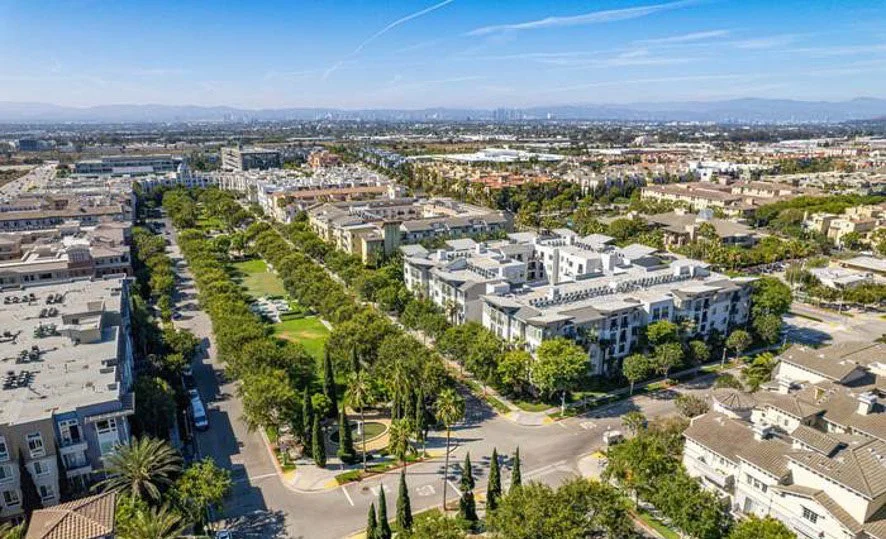
Land use integration is another critical factor. Residential, retail, office, and recreational spaces are interwoven rather than separated into zones. This integration supports activity throughout the day rather than concentrating use into narrow time windows. A neighborhood that is active across multiple time periods tends to feel safer and more stable.
Public spaces are designed for repeated use rather than occasional events. Parks, courtyards, and paths are placed where residents naturally pass through rather than at the edges of the neighborhood. This increases daily interaction with shared space and reinforces its role as part of routine life.
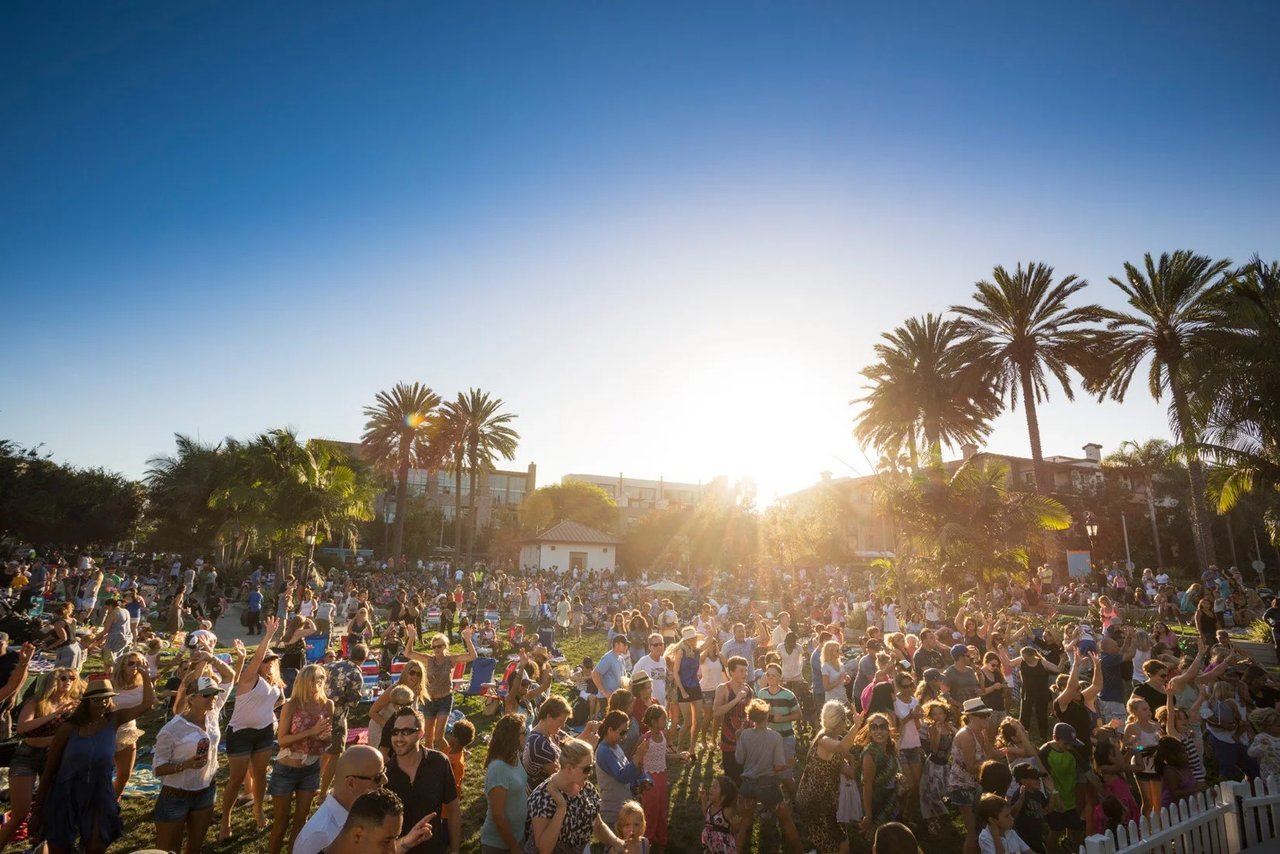
Community programming further strengthens neighborhood identity. Events such as farmers markets, fitness classes, and seasonal gatherings occur in familiar locations rather than temporary venues. This consistency builds association between place and activity.
Housing diversity also contributes to neighborhood feel. Playa Vista includes a range of housing types within a unified design framework. This allows residents at different life stages to remain in the neighborhood rather than relocating as needs change. Continuity supports long term relationships and institutional knowledge within the community.
Another factor is maintenance and governance. Public spaces and infrastructure are consistently maintained, reinforcing reliability. When residents trust that shared spaces will remain usable and cared for, they are more likely to engage with them.
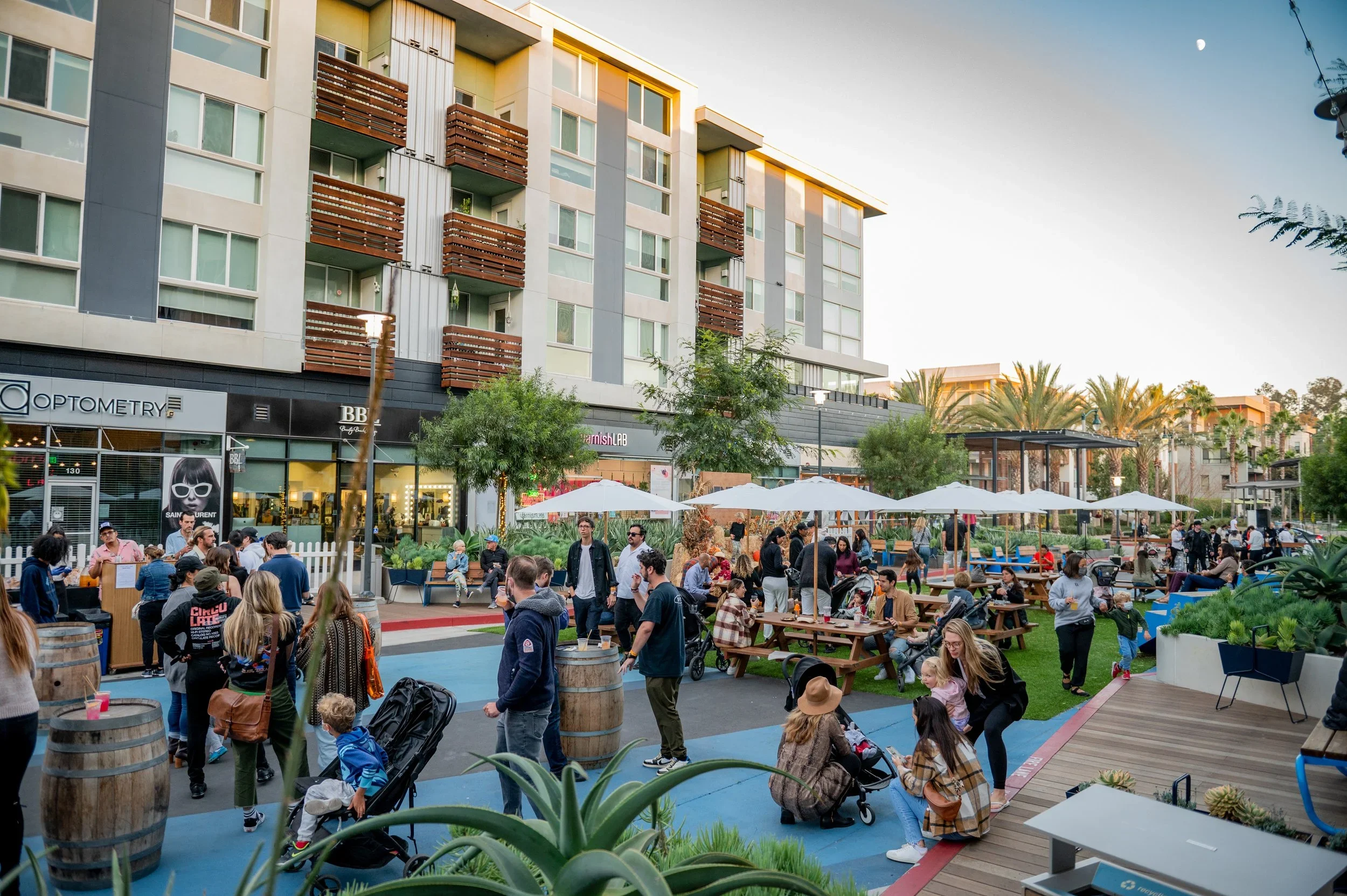
Retail offerings are primarily neighborhood serving. Businesses respond to resident demand rather than regional trends. This creates a feedback loop where local use influences business success and evolution. Neighborhood oriented retail contributes to a sense of ownership among residents.
The result of these combined factors is predictability without stagnation. Playa Vista evolves, but within a stable framework. This balance is difficult to achieve and requires coordination across planning, design, and management.
In contrast, many developments lack this long term integration. They may offer amenities but fail to support sustained community interaction. Playa Vista demonstrates that neighborhood identity is built through repetition, accessibility, and shared use over time.
For those evaluating Westside neighborhoods, Playa Vista provides an example of how intentional planning can move beyond development and support a lasting sense of place.
Stay up to date on the latest real estate trends.
July 23, 2026
When people search for homes in Culver City, they are not just buying a property — they are buying into a lifestyle. So what does it actually feel like to live here? … Read more
July 17, 2026
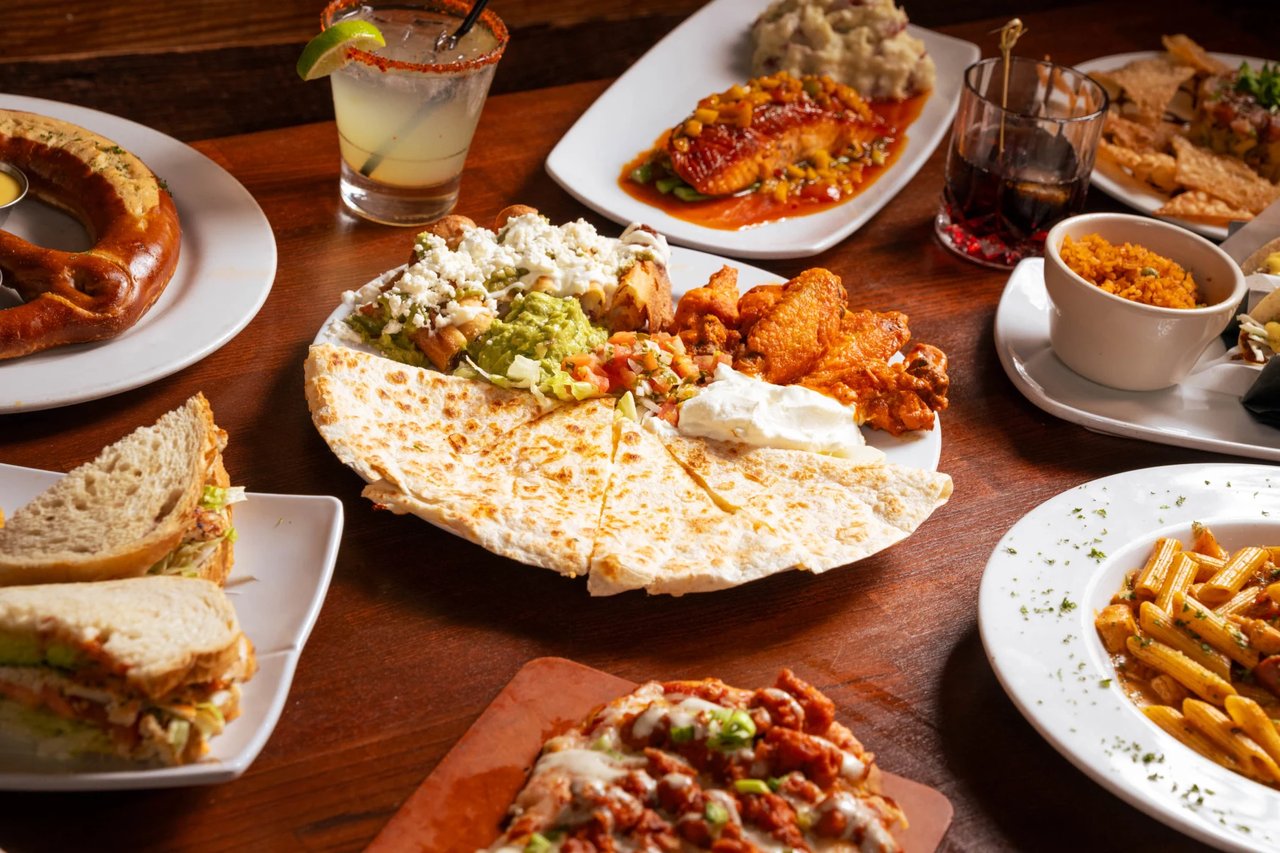
Playa Vista, or "Silicon Beach," has transformed from a corporate tech hub into a legitimate culinary destination. Whether you're a local resident or just visiting the… Read more
July 9, 2026
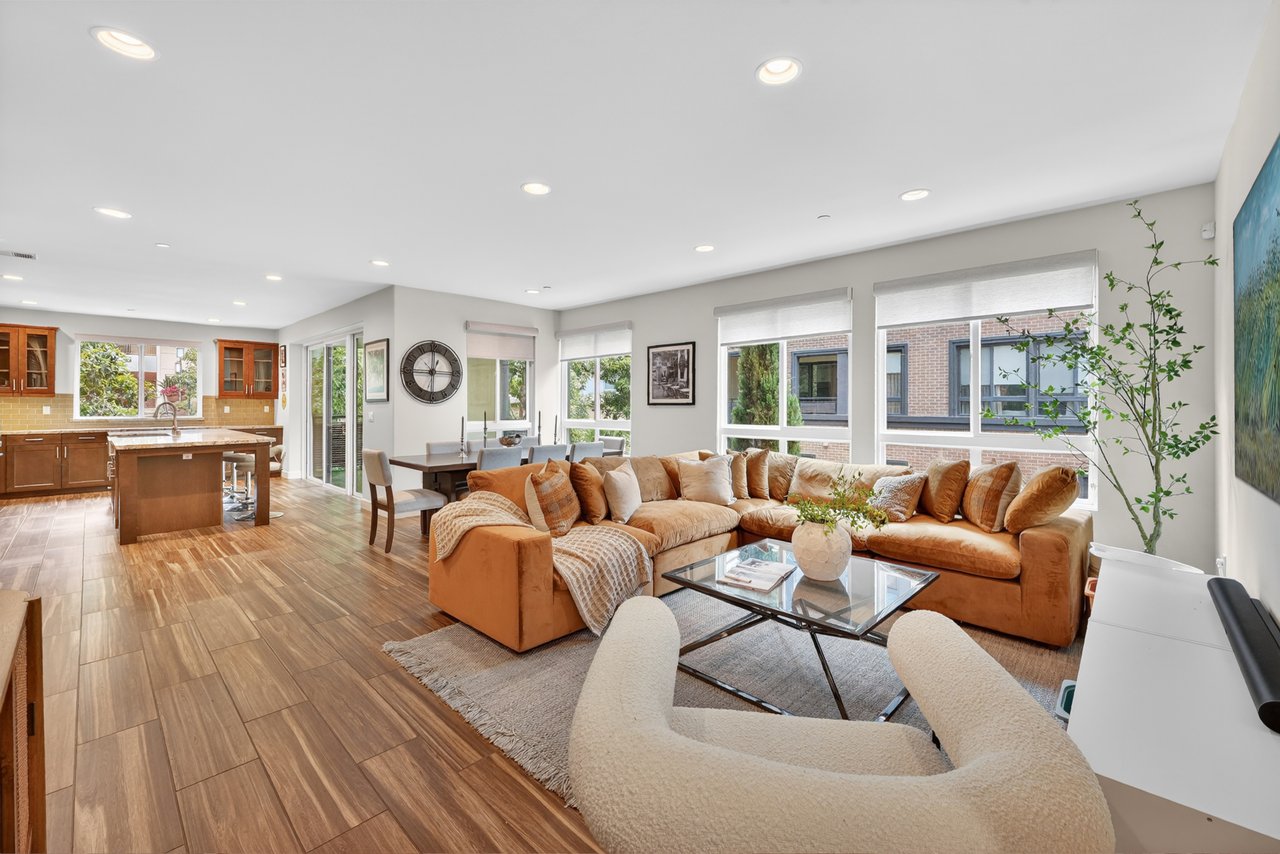
We hope everyone had a very happy and safe Fourth of July. As summer continues, we are grateful for the opportunity to stay connected with our clients, neighbors, and … Read more
July 3, 2026
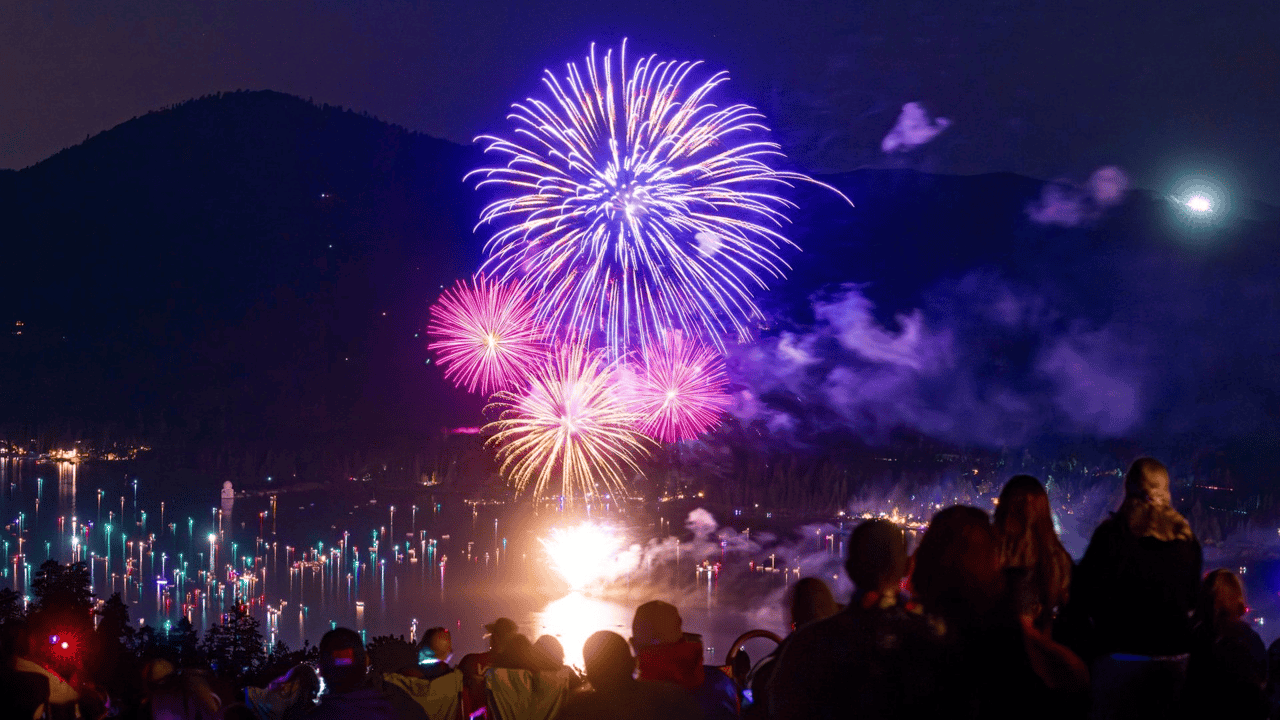
The Fourth of July is one of the biggest weekends of the summer in Southern California, with fireworks displays, concerts, baseball, family festivals, and waterfront c… Read more
June 25, 2026
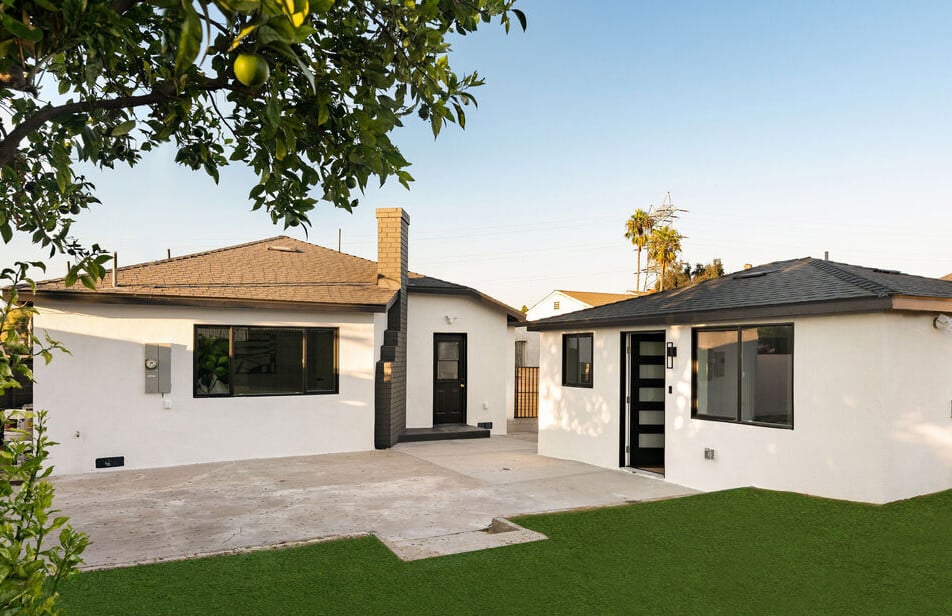
Accessory Dwelling Units, commonly known as ADUs, have become increasingly popular across Los Angeles. In Culver City, homes with ADUs can offer flexibility for homeo… Read more
June 16, 2026
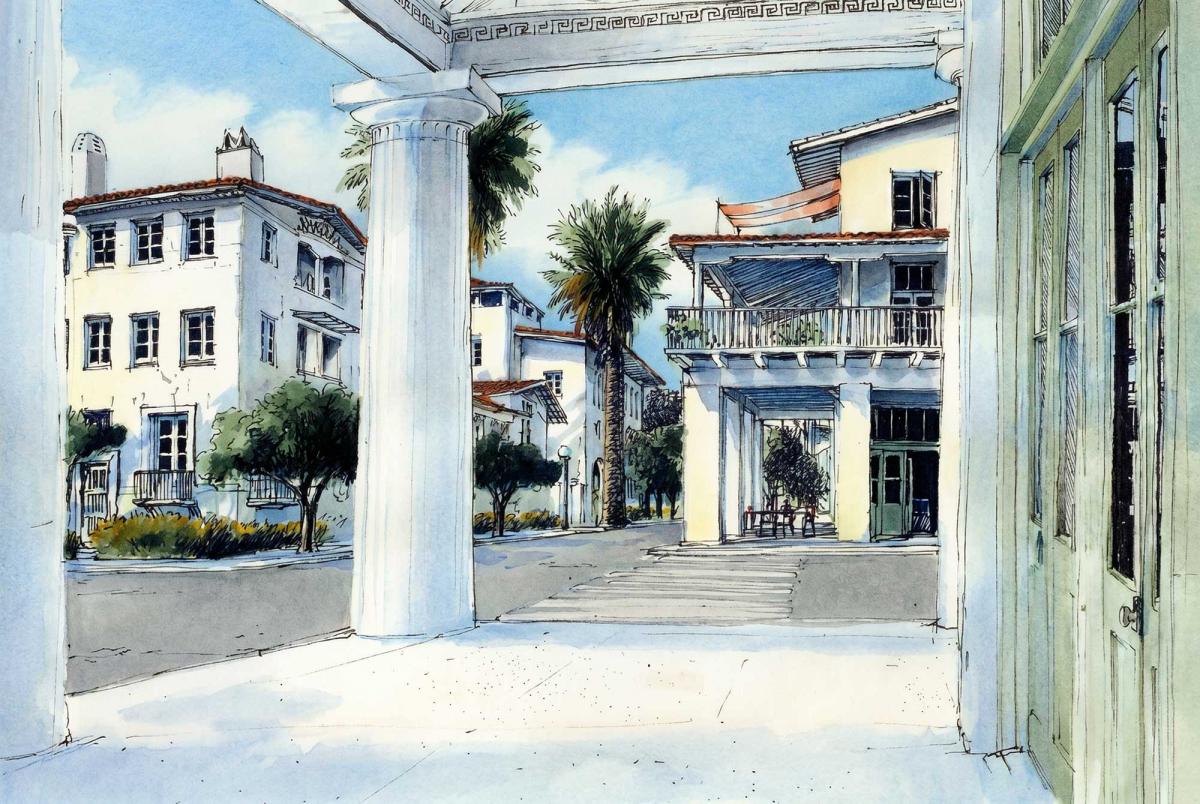
I recently came across an interesting article by Robert Steuteville in the Congress for the New Urbanism's Public Square publication titled "Playa Vista: High Density,… Read more
June 12, 2026
June has brought the start of summer and a meaningful opportunity to celebrate the fathers and father figures in our community. We hope everyone enjoys a wonderful Fat… Read more
June 4, 2026
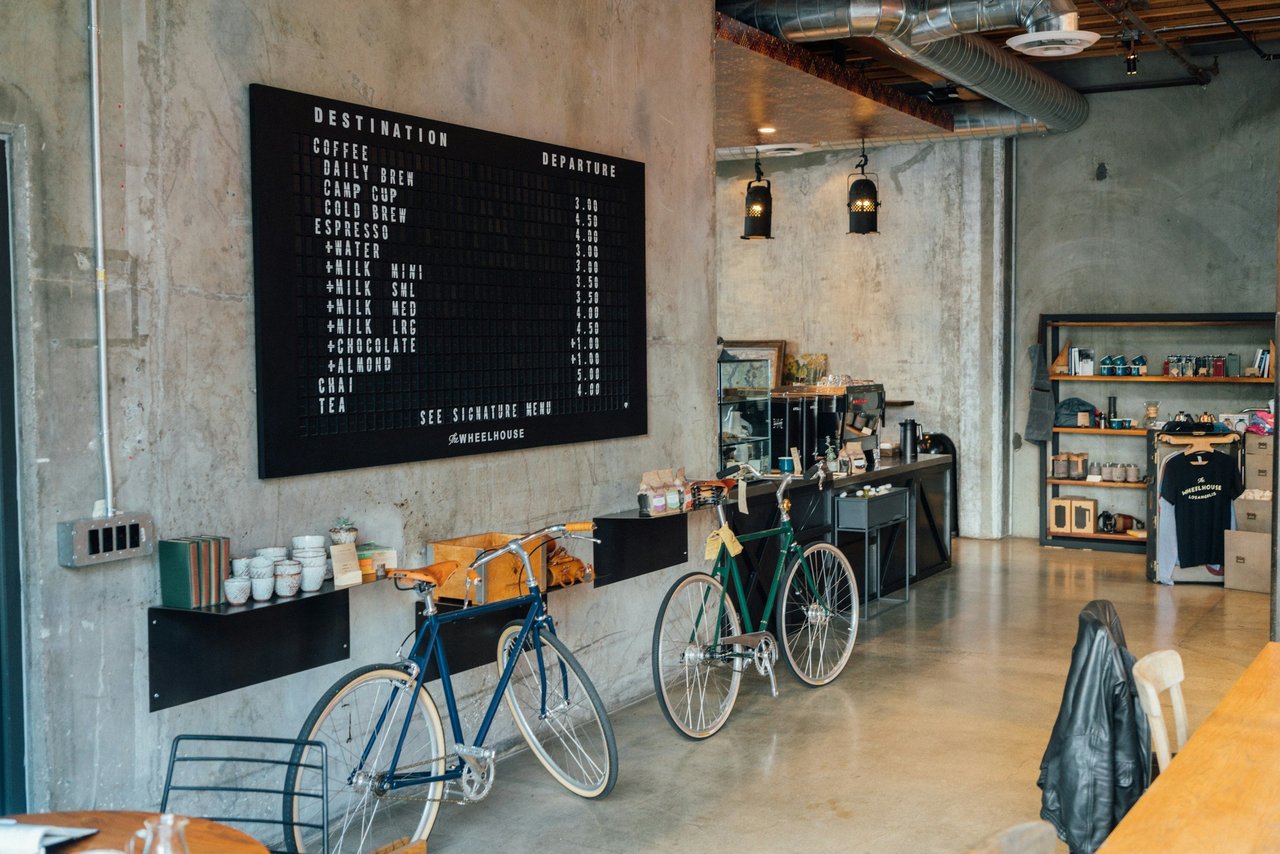
Coffee shops are often the heart of a neighborhood. In Culver City, they serve as gathering places for residents, remote workers, and creatives alike. Here are a few … Read more

May 29, 2026
Father’s Day weekend is just a few weeks away, and there is still plenty of time to plan something thoughtful for Dad. Whether you are looking for a relaxed family out… Read more
You’ve got questions and we can’t wait to answer them.
Highland Premiere Real Estate
12696 Millennium Drive
Los Angeles, CA 90094
DRE #01919746
DRE #01925833