Living Where Everything Is Walkable: A Day in the Life of Playa Vista
Walkability has become one of the most important factors in how people evaluate neighborhoods, particularly in major metropolitan areas like Los Angeles. Playa Vista is often cited as one of the few communities on the Westside where daily life can realistically be managed on foot. This is not accidental. The neighborhood was developed with a master planned approach that prioritized accessibility, integration of uses, and pedestrian movement.
Understanding what walkable living actually looks like in practice helps explain why Playa Vista continues to attract long term residents. Walkability goes beyond proximity. It includes safety, infrastructure, zoning decisions, and the way residential, commercial, and recreational spaces are connected.
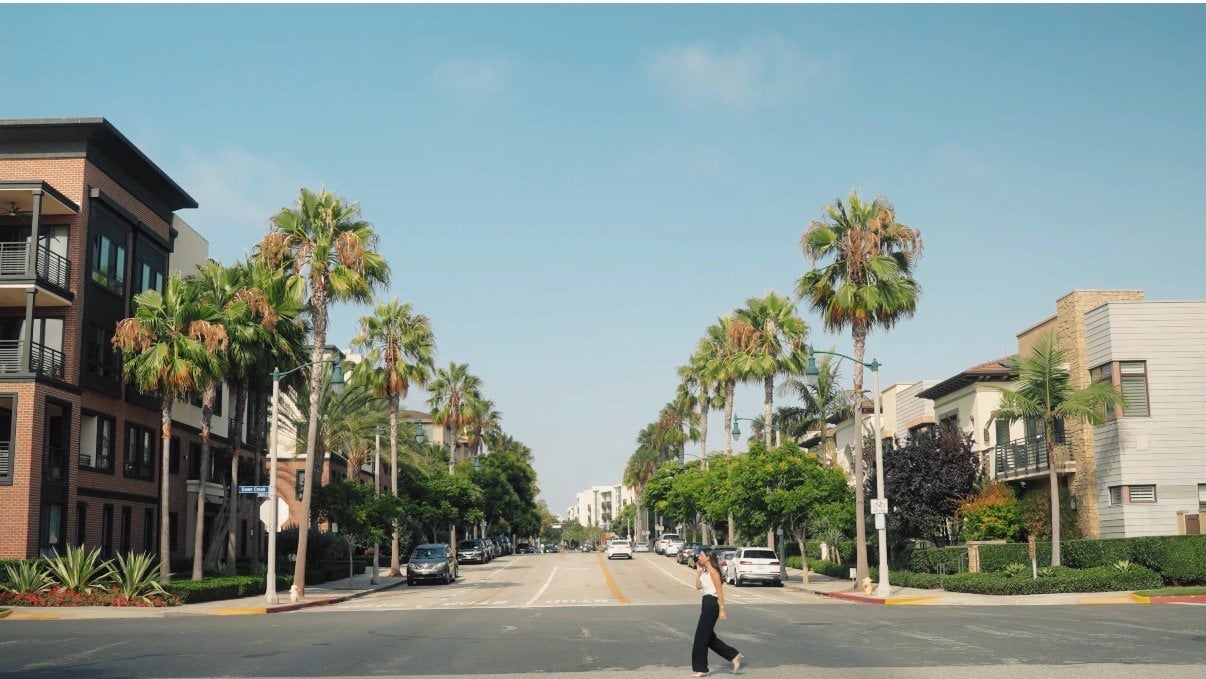
Playa Vista was designed as a mixed use neighborhood, meaning residential housing, retail, offices, parks, and services coexist within a compact footprint. This allows residents to complete many daily tasks without relying on a car. Grocery stores, coffee shops, fitness studios, schools, and restaurants are located within walking distance of most homes.
From a planning standpoint, this reduces traffic congestion within the neighborhood and minimizes the need for large arterial roads. Streets are narrower, speeds are slower, and pedestrian crossings are frequent. Sidewalks are continuous and well maintained, which is a critical but often overlooked component of walkability.
Parks and green spaces play a functional role in this system. Rather than being isolated destinations, parks in Playa Vista act as connectors. Paths link residential buildings to retail areas and community amenities. This encourages walking not only for leisure but also for transportation.
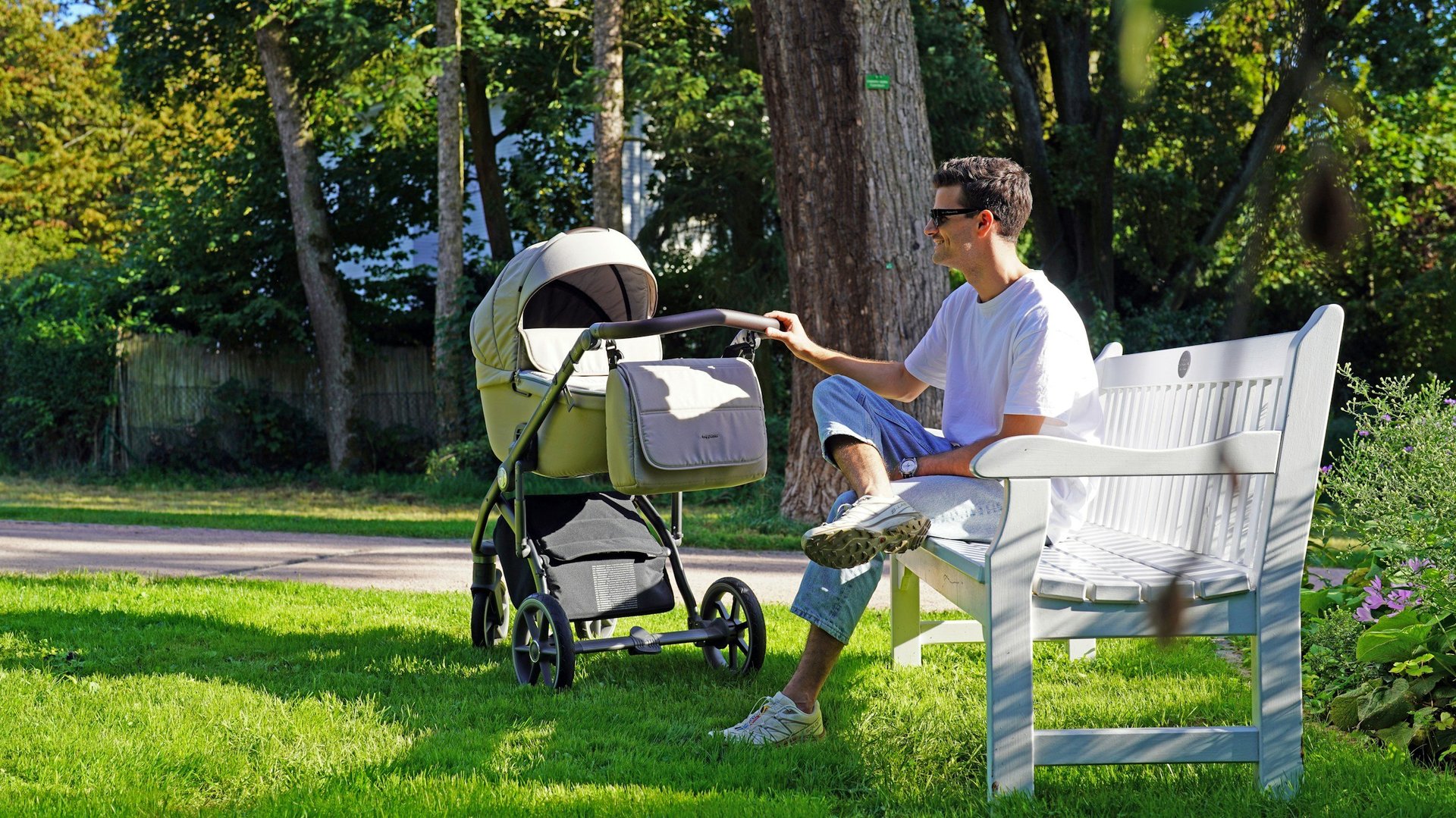
A typical weekday in Playa Vista demonstrates how this planning works in real time. Morning activity includes residents walking to coffee shops, fitness centers, or nearby offices. Because many employers are located within or adjacent to the neighborhood, commuting distances are shorter and often walkable. This reduces reliance on vehicles during peak hours.
Midday activity reflects the flexibility of the neighborhood layout. Residents can access lunch options, errands, and outdoor spaces without leaving the area. This supports remote workers, parents, and professionals with variable schedules. The ability to complete tasks efficiently is a major factor in neighborhood livability.
Retail in Playa Vista is designed to serve residents rather than attract regional traffic. Stores and restaurants are scaled appropriately for local demand. This prevents overcrowding and maintains a neighborhood oriented environment. It also means that retail offerings tend to evolve based on resident needs rather than tourism trends.
Evening activity further highlights the benefits of walkability. Residents frequently walk to dinner, attend local events, or use parks and paths for exercise. Reduced car use contributes to lower noise levels and improved safety during evening hours.
From a broader perspective, walkable neighborhoods are associated with measurable benefits. Studies consistently link walkability to increased physical activity, lower transportation costs, and improved environmental outcomes. In Playa Vista, these benefits are reinforced by intentional design rather than individual effort.
Another important aspect is accessibility across age groups. Walkability supports young professionals, families with children, and older residents equally. Parents can walk children to school or activities. Older residents can maintain independence without driving. This versatility contributes to neighborhood stability.
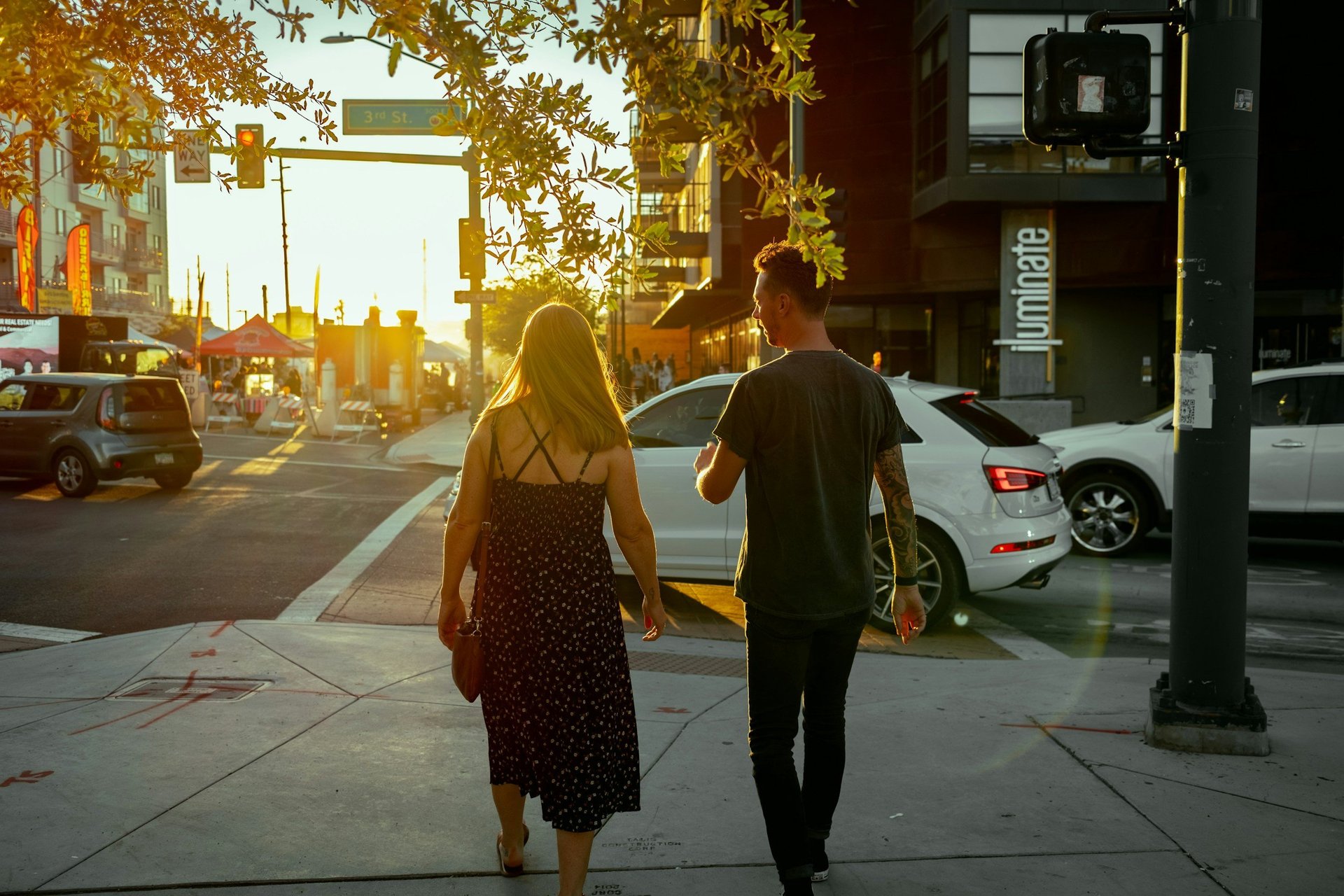
Infrastructure maintenance is also a factor. Playa Vista benefits from newer construction and consistent upkeep. Sidewalks, lighting, and public spaces are maintained to a standard that supports pedestrian use year round. This reliability is critical for walkability to function long term.
Importantly, walkable living changes how residents interact with their environment. Increased foot traffic leads to greater visibility and natural surveillance, which supports safety. It also encourages local commerce and fosters a sense of shared use of public space.
Playa Vista demonstrates that walkability is not just about distance. It is about thoughtful planning, integrated uses, and long term management. These elements work together to create a neighborhood where walking is practical, efficient, and sustainable.
As urban planning priorities continue to shift toward livability and efficiency, Playa Vista serves as a local example of how design choices directly impact daily life. Its walkable structure is a defining feature that continues to influence demand and long term appeal.