Los Angeles Wildfire Cleanup: Phase 1 Complete, Phase 2 Underway
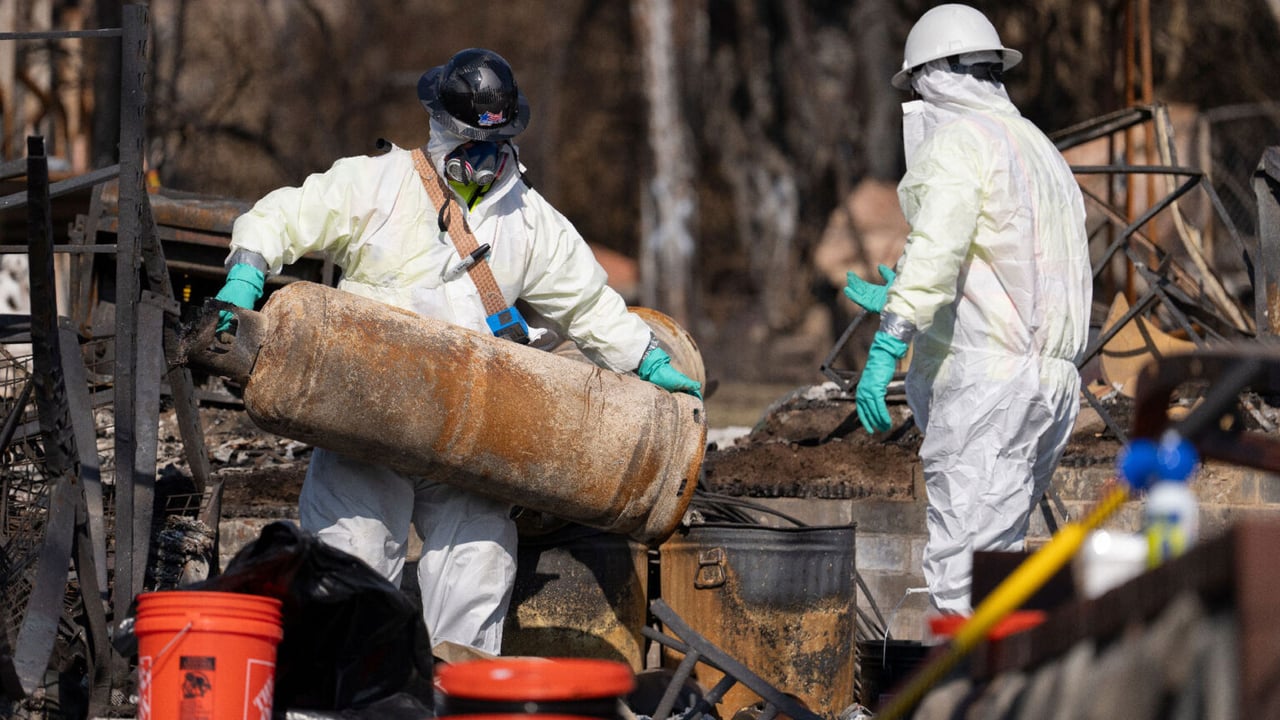
The devastating January 2025 Eaton and Palisades wildfires, which scorched over 37,000 acres and destroyed thousands of homes, left many Los Angeles residents facing a long and challenging road to recovery. However, the Environmental Protection Agency (EPA) has successfully completed Phase 1 of the Los Angeles wildfire cleanup, marking a critical milestone in the cleanup process. This phase, which focused on the removal of household hazardous materials, was completed ahead of schedule, setting the stage for Phase 2—structural debris removal.
What Was Accomplished in Phase 1?
Under the leadership of the EPA, in coordination with FEMA, the U.S. Army Corps of Engineers (USACE), and state and local agencies, crews worked tirelessly to clear hazardous materials from thousands of properties. Some key achievements include:
- Removal of hazardous waste: Over 9,000 properties were assessed and cleared of hazardous household materials, ensuring safe conditions for further cleanup efforts.
- Safe disposal of lithium-ion batteries: More than 1,000 batteries from homes, vehicles, and other products were collected and processed.
- Rapid response and efficiency: The first phase was completed in record time, with 99% of properties cleared within just 29 days.
Phase 1’s swift completion represents a critical milestone in the recovery effort, paving the way for Phase 2, which involves the removal of structural debris and contaminated ash.
Phase 2: Structural Debris Removal & Environmental Safeguards
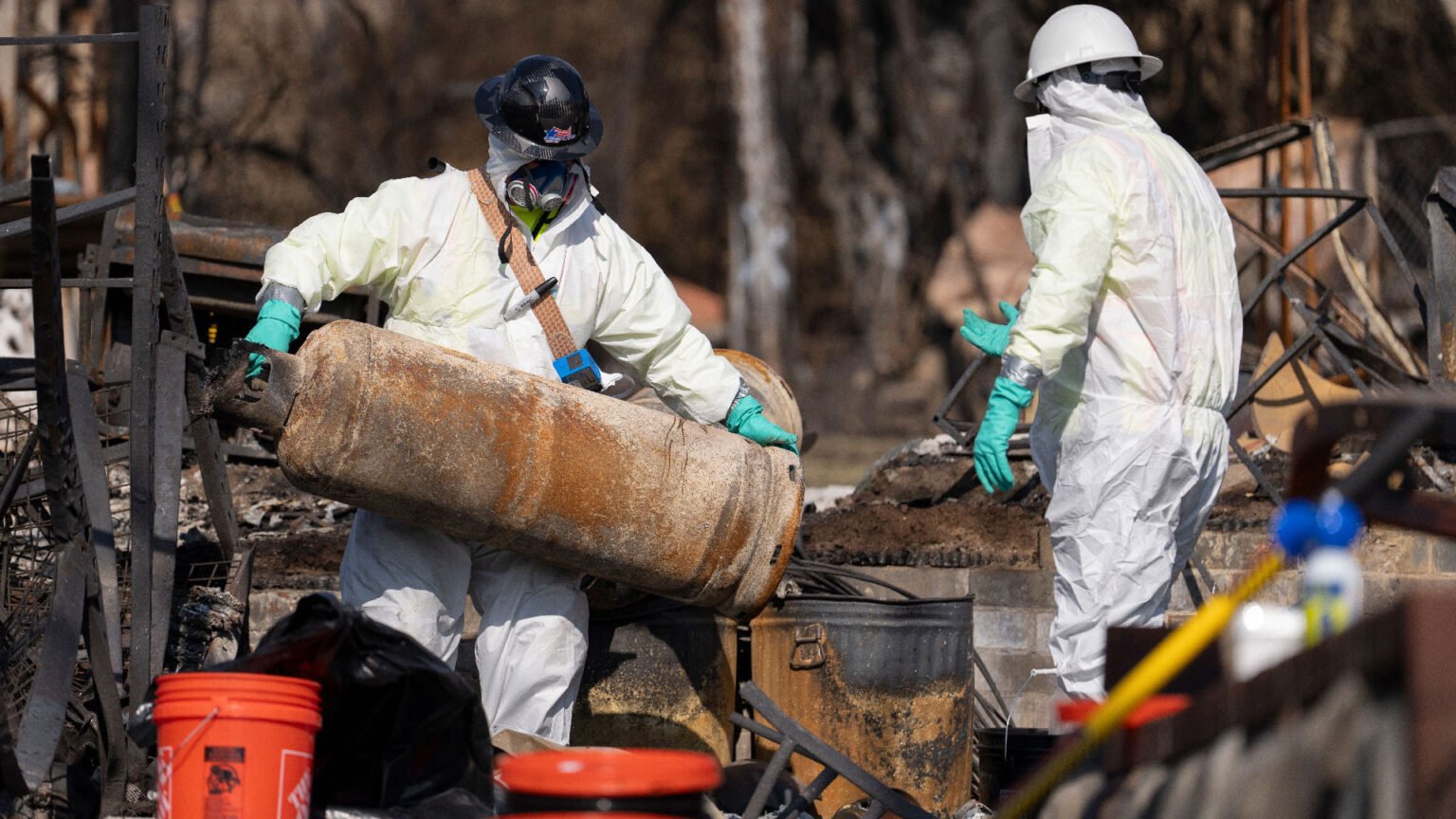
With hazardous materials removed, the next phase—led by USACE—focuses on clearing structural debris, contaminated ash, and soil from burned properties. This phase will also include:
- Asbestos assessment and removal: Any remaining asbestos in fire-damaged buildings will be identified and safely removed.
- Soil testing and remediation: Scientists will conduct environmental testing to ensure toxic materials such as arsenic, lead, and mercury are safely addressed.
- Erosion control: Measures like hydromulching and fiber rolls will help prevent soil erosion and protect water sources from contamination.
- Hazard tree removal: Fire-damaged trees that pose a threat to public infrastructure or cleanup crews will be taken down.
Governor Gavin Newsom has also taken steps to expedite the recovery process by suspending certain regulatory requirements, allowing rebuilding efforts to commence sooner. Tax and mortgage relief programs have been introduced to support affected homeowners, and temporary housing measures are in place to assist those who have lost their homes.
What’s Next for Residents?
Residents impacted by the wildfires can now look ahead to the next stages of recovery. The EPA will maintain a presence to assist in lithium-ion battery processing during Phase 2, and state and federal agencies will continue working to remove debris and stabilize affected areas. Residents impacted by the wildfires can expect the following next steps:
- Final inspection & clearance letters: Once debris removal is completed, state supervisors and county officials will inspect properties and send clearance letters.
- Permitting for rebuilding: With cleanup complete, rebuilding efforts can begin without unnecessary delays.
- Financial relief programs: California has extended tax filing deadlines, mortgage relief, and support for displaced renters.
The federal, state, and local governments remain committed to supporting Angelenos as they recover from these devastating fires. For more information on the cleanup process and available resources, visit the EPA’s 2025 California Wildfires website.
With Phase 1 behind us, Los Angeles is making positive progress in wildfire recovery. While there is still a long road ahead, the actions taken so far demonstrate the dedication of federal, state, and local agencies to restoring communities and helping residents rebuild stronger than before.
Additional Resources for Fire Victims
As Los Angeles moves forward with the cleanup and rebuilding process, various resources are available to assist fire victims in their recovery.
Tax Relief for Fire Victims
- The individual tax filing deadline has been postponed to October 15 for Los Angeles County taxpayers.
- The January 31, 2025, sales and use tax filing deadline has been extended to April 30 for affected businesses.
Streamlining Rebuilding Efforts
- Permitting and environmental review requirements under the California Environmental Quality Act (CEQA) and the California Coastal Act have been suspended.
- These measures will help speed up the rebuilding of homes and businesses destroyed in the fire.
Fast-Tracking Temporary Housing
- Regulations for constructing accessory dwelling units (ADUs) have been eased.
- More temporary housing options, such as trailers and mobile home parks, have been made available.
- Certain fees related to temporary housing have been suspended.
Mobilizing Debris Removal and Cleanup
- Accelerated debris removal and mitigation efforts are in place to prevent mudslides and flooding.
- Federal hazmat crews are authorized to begin cleanup work to ensure properties are safe for return.
Preventing Price Gouging
- Expanded restrictions aim to stop illegal price hikes on rent, hotel stays, building materials, and construction services.
- Residents are encouraged to report violations to the Office of the Attorney General.
Providing Immediate State Relief Funding
- At least $2.5 billion in additional state funding has been proposed for emergency response and recovery efforts in Los Angeles County.
Supporting Displaced Students
- Assistance is available for schools and students affected by the fires.
- Efforts are being made to quickly reintegrate displaced students back into classrooms.
Protecting Fire Victims from Real Estate Speculators
- Preventative measures are in place to stop aggressive and unsolicited cash offers from predatory land buyers targeting fire victims.
For those navigating the debris removal process, two primary cleanup options are available:
- Phase 1: Immediate removal of visible hazardous household waste.
- Phase 2: Removal of remaining ash and debris.
Preparation Steps for Cleanup
- Identify a long-term mailing address.
- Gather insurance and property ownership documents.
Cleanup Options
- No Out-of-Pocket Cost (Government-Managed Program)
- Submit a Right-of-Entry form to the county.
- State-managed cleanup is free for property owners.
- Strict safety protocols are in place to prevent hazardous contamination.
Homeowner Expense (Private Cleanup Program)
- Hire and manage a private contractor at your own expense.
- Obtain permits and environmental approval before work begins.
- Ensure compliance with county rules.
Important Caution
- Moving or spreading debris can disqualify your property from cleanup programs.
Key Reminders
- Communicate with your county officials about the debris removal program.
- The Right-of-Entry form enrolls you in the government cleanup program.
- The government program has no out-of-pocket cost for homeowners
- More details are available on CalRecycle’s Recovery Operations page.